


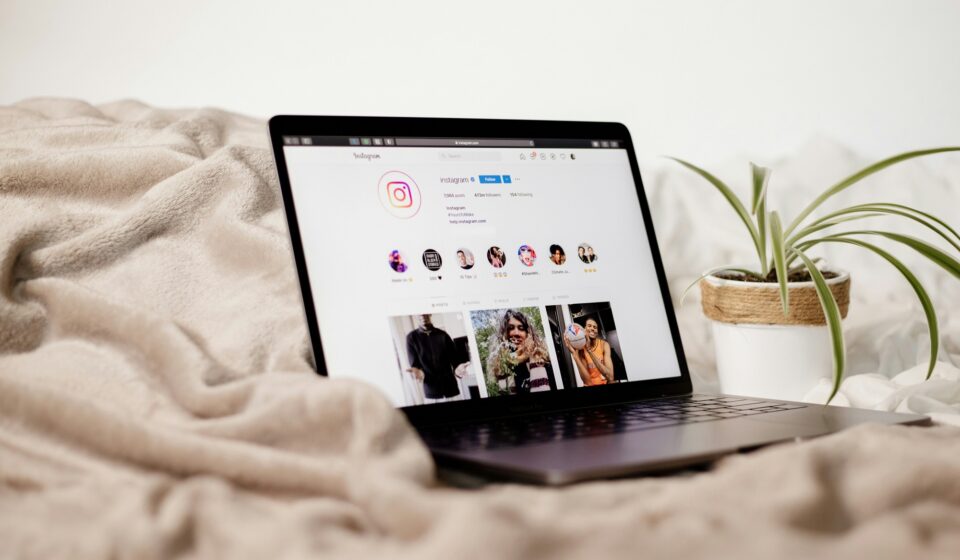
In the past, cultural trends in America were largely shaped by Hollywood stars, musicians, TV personalities, and mainstream media. Today, however, a new type of celebrity has emerged: the social media influencer. Armed with smartphones, niche interests, and large digital followings, these influencers are not just promoting products — they’re transforming American culture in profound ways.
Table Of Content
From Gatekeepers to Grassroots: A New Cultural Power
In traditional media, gatekeepers like editors, casting directors, and producers determined whose voices got heard. Social media shattered that model. Now, anyone with a phone and a perspective can reach millions. Influencers — whether they’re beauty vloggers, fitness gurus, gamers, or social activists — have democratized influence.
Their rise reflects a shift from polished, idealized images to more relatable, raw, and authentic content. Many Americans now find themselves more influenced by a YouTuber they follow than a movie star they occasionally see on screen.
Redefining Beauty and Identity
Influencers have played a key role in broadening beauty standards and cultural representation. Platforms like Instagram, TikTok, and YouTube have amplified voices from marginalized communities, showcasing diverse styles, body types, gender expressions, and cultural backgrounds.
For example, body positivity influencers have challenged the long-held media ideal of thinness, while creators from various ethnic backgrounds have popularized traditions, languages, and fashion from their cultures, introducing them to mainstream America.
Shifting Consumer Behavior
Influencers have become the new advertisers, but with a twist: their followers often trust them more than traditional ads. According to surveys, consumers are far more likely to purchase a product recommended by an influencer they follow than by a brand’s commercial.
This trend has redefined how companies market themselves. Influencer partnerships have become a staple for everything from skincare brands and tech gadgets to political campaigns. The result? A more personalized and peer-driven consumer culture.
Influencers as Activists
American social and political movements are increasingly shaped by digital voices. Influencers regularly use their platforms to speak out on issues such as racial justice, climate change, mental health, and LGBTQ+ rights. Their ability to mobilize followers has made them powerful allies (or critics) of political causes.
Notably, during major national events — like the Black Lives Matter protests, the 2020 election, or even public health campaigns — influencers have helped educate, organize, and galvanize action across generations, particularly among Gen Z.
The Rise of “Influencer Culture” Itself
Influencing is no longer just a hobby — it’s a career path. As more young Americans aspire to become content creators, schools and universities have started offering courses on digital branding and content creation. The “creator economy” has exploded, with platforms offering monetization tools and brand sponsorships becoming common.
This has led to a redefinition of work and success. Instead of traditional 9-to-5 jobs, many see entrepreneurship through content creation as a viable, even ideal, path — one that offers creative freedom, flexibility, and direct connection with audiences.
But Not Without Controversy
Despite their cultural impact, influencers are not immune to criticism. Concerns over authenticity, mental health, consumerism, and misinformation abound. Some influencers have been accused of promoting unrealistic lifestyles, peddling unsafe products, or spreading false information.
The highly curated nature of influencer content can also lead to comparison, anxiety, and unrealistic expectations among followers. As their cultural footprint grows, so does the responsibility that comes with their influence.
Conclusion: A Lasting Impact
Social media influencers are more than just trendsetters — they are cultural architects. They are reshaping how Americans see themselves, consume products, engage with society, and define success. In doing so, they’re rewriting the rules of culture from the ground up.
Whether this influence continues to empower and diversify American culture or veers into more problematic territory will depend not only on the influencers themselves but also on the followers who choose whom — and what — to elevate.