

Quick Facts About Jem Wolfie 🌟
Table Of Content
- OnlyFans as a Business Model 💼
- Early Life, Education, and Career Journey 🌱
- Unique Content Style and Social Media Engagement 📱
- Brand Value as a Digital Entrepreneur 🚀
- Daily Routine and Work Ethic ⏰
- Pros and Cons of the Career Path ⚖️
- Myths Versus Reality for Digital Creators 🔍
- Looking Ahead: Future Growth 🌟
- Frequently Asked Questions About Jem Wolfie ❓
| Category | Details |
|---|---|
| Full Name | Jem Wolfie |
| Age | 34 (born August 7, 1991) |
| Height | Approximately 5’7″ (170 cm) |
| Nationality | Australian |
| Estimated Net Worth | $5–20 million (estimates vary) |
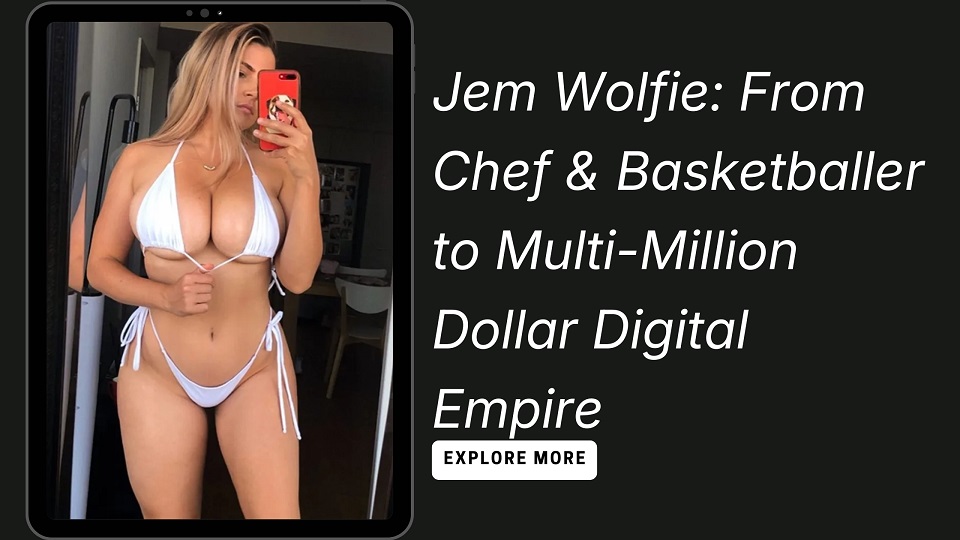
In the fast-moving world of digital creators, few names have cut through the noise quite like Jem Wolfie. From the courts of Western Australia to millions of followers across platforms, she has built a recognizable personal brand that blends athletic credibility, entrepreneurial hustle, and direct connection with her audience. Her story resonates because it feels earned—rooted in discipline, adaptation after setbacks, and smart use of online tools rather than overnight luck. 🏀💪
Jem Wolfie first drew widespread attention through Instagram, where her combination of fitness content, basketball skills, and approachable personality helped her grow a large following. At her peak she reached roughly 2.7 million Instagram followers, a significant achievement for an independent creator from Perth. That visibility opened doors to sponsorships, media appearances, and eventually premium platforms that allowed her to monetize her audience more directly.
OnlyFans as a Business Model 💼
For many creators, subscription platforms represent a shift from relying solely on brand deals or ad revenue to owning a more direct relationship with fans. Jem Wolfie has been open about using such platforms as part of a broader digital business strategy. In simple terms, these services let creators offer exclusive content, updates, and interaction to paying subscribers. The model rewards consistency, community management, and understanding what an audience values. It is less about any single post and more about running a sustainable online business—content calendars, customer service, marketing, and reinvestment of earnings into other ventures. This approach has helped numerous fitness and lifestyle creators diversify income beyond traditional social media algorithms.
Early Life, Education, and Career Journey 🌱
Born on August 7, 1991, in Perth, Western Australia, Jem Wolfie grew up in an environment that valued activity. Her mother, also fitness-oriented, helped shape an early interest in sports. She competed in basketball, reaching state-level play in the Western Australian Basketball League (WABL). A serious knee injury in her late teens forced a change in direction. Instead of stepping away from training, she shifted focus to weight training and rehabilitation, developing the disciplined approach that later defined her public image.
That transition led her into personal training and, at around age 22, the launch of a meal-prep business called Good Eats. She handled much of the operation herself—cooking, packaging, and managing orders—while still posting content online. Social media, which she began using more seriously around the mid-2010s, gradually grew from a side activity into a primary focus. Early posts featuring basketball skills and training routines gained traction, particularly with international audiences. Sponsorships from brands such as Bang Energy and Happy Way followed. Over time, the meal-prep company took a back seat as digital opportunities expanded, including appearances in music videos and documentary-style content.
Her path illustrates a common pattern among successful independent creators: start with a genuine skill or passion (in her case, athletics and fitness), document the process consistently, and adapt when platforms or personal circumstances change.
Unique Content Style and Social Media Engagement 📱
What set Jem Wolfie apart early on was the blend of athletic demonstration and lifestyle presentation. Basketball drills, gym sessions, and everyday fitness routines sat alongside more polished visual content. She engaged directly with followers through comments, stories, and occasional collaborations, creating a sense of accessibility. Engagement metrics from her peak Instagram years showed strong interaction relative to her follower count, a sign that people were not just scrolling past but responding to the personality behind the posts.
As platform rules and algorithms evolved, many creators—including Wolfie—faced account restrictions or temporary removals. These challenges highlighted both the power and the fragility of relying on a single social network. Successful digital entrepreneurs respond by diversifying across platforms and building owned channels, such as email lists or subscription services, that are less vulnerable to sudden policy shifts.
Brand Value as a Digital Entrepreneur 🚀
Jem Wolfie’s brand rests on authenticity rooted in real athletic experience combined with the ability to package that experience for a broad audience. Premium platforms and direct-to-fan models have allowed her to capture more of the economic value she creates rather than sharing the majority with intermediaries. This mirrors a larger trend in the creator economy: individuals treating their online presence as a small business that includes content production, community management, product development (such as e-books or apparel in some cases), and long-term audience cultivation.
Her estimated net worth, reported in various ranges depending on the source, reflects income from multiple streams—sponsorships, subscription platforms, and related ventures—rather than a single revenue source. Exact figures are private, as is typical for independent creators, but the consistency of her visibility over more than a decade points to effective monetization and reinvestment.
Daily Routine and Work Ethic ⏰
Public comments and interviews suggest a routine built around physical training, content creation, and business administration. Mornings often involve workouts or basketball-related practice. Content production requires planning, filming, editing, and posting across platforms. Audience interaction—replying to messages, monitoring engagement, and adjusting strategy—takes additional time. Like many full-time creators, she appears to treat the work as a professional operation rather than a hobby, balancing creative output with the less glamorous administrative side of running a personal brand.
This level of consistency is demanding. It requires self-motivation, time management, and the ability to produce material even when inspiration is low. The visible results (follower growth, brand partnerships, platform earnings) are the public side of private discipline.
Pros and Cons of the Career Path ⚖️
Advantages include significant creative control, the potential for high earnings relative to traditional employment, location flexibility, and the ability to turn personal interests into income. Creators who succeed can build multiple revenue streams and retain ownership of their audience relationships.
Challenges are equally real. Income can be volatile and platform-dependent. Algorithm changes, account restrictions, or shifts in audience taste can affect reach overnight. The work is often solitary and requires constant self-promotion. Privacy can be difficult to maintain once a large public following is established. Mental and physical demands of continuous content production are frequently under-discussed.
Myths Versus Reality for Digital Creators 🔍
A common myth is that successful creators simply post attractive photos and watch money arrive. In reality, sustained success usually involves strategic planning, consistent output, audience research, and business skills. Another misconception is that platforms alone create wealth; most high-earning creators combine platform presence with diversified income and long-term brand building. Finally, the idea that the lifestyle is purely glamorous overlooks the administrative load, content deadlines, and occasional public scrutiny that accompany visibility.
Jem Wolfie’s trajectory shows the more grounded version: athletic foundation, early business experiments, platform adaptation, and ongoing audience relationship management.
Looking Ahead: Future Growth 🌟
As the creator economy continues to mature, individuals like Jem Wolfie who have already demonstrated resilience and multi-platform capability are well positioned. Opportunities may include further brand collaborations, product lines, media projects, or mentoring newer creators. Her combination of athletic credibility and digital business experience gives her a durable foundation. Whatever specific directions she chooses, the core elements—discipline, adaptability, and direct audience connection—remain relevant.
Jem Wolfie has turned personal strengths into a recognizable digital brand. Her story offers a practical case study in how consistency, skill, and smart use of available platforms can create lasting opportunities in a competitive online landscape.
Frequently Asked Questions About Jem Wolfie ❓
1. Who is Jem Wolfie? Jem Wolfie is an Australian fitness influencer, former competitive basketball player, personal trainer, and digital entrepreneur known for her social media presence and content creation across multiple platforms.
2. How old is Jem Wolfie and where is she from? She was born on August 7, 1991, in Perth, Western Australia, making her 34 years old as of 2026. She is of Australian nationality with Czechoslovakian descent.
3. What is Jem Wolfie’s background in sports? She competed in basketball at the state level in the Western Australian Basketball League before a knee injury shifted her focus toward weight training, personal training, and fitness content.
4. How does Jem Wolfie monetize her content? Like many independent creators, she has used a mix of brand sponsorships, social media partnerships, and subscription-based platforms that allow direct support from fans. This diversified approach is common among successful digital entrepreneurs who want greater control over their income.
5. Did Jem Wolfie run a business outside of social media? Yes. She founded and operated a meal-prep company called Good Eats while building her online presence, handling much of the day-to-day work herself before social media opportunities expanded.
6. Why did Jem Wolfie’s Instagram account face issues? Like a number of high-profile accounts, it encountered platform restrictions related to content guidelines. Such experiences have prompted many creators to diversify across platforms and build more direct channels with their audiences.
7. What can aspiring creators learn from Jem Wolfie’s journey? Key takeaways include starting with genuine skills or passions, posting consistently, adapting after setbacks, treating the work as a business, and building multiple income streams rather than relying on any single platform.