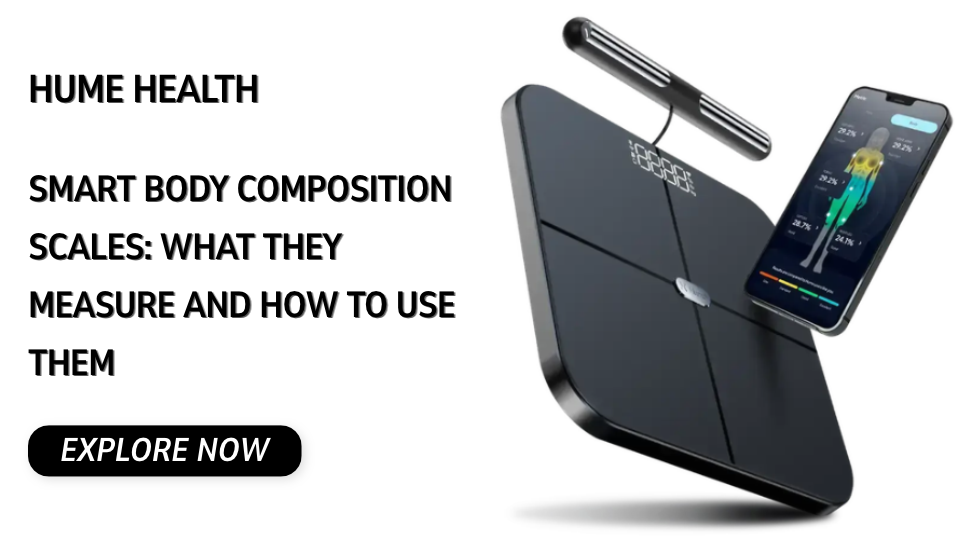
Tracking your weight is a common part of many fitness and wellness routines, but the number on a traditional bathroom scale does not explain everything happening inside your body. Two people with the same weight can have very different amounts of muscle, body fat, and water. This is where smart body composition scales can provide additional information.
Table Of Content
- Why Smart Body Composition Scales Matter
- How Do Smart Body Composition Scales Work?
- Key Features of the Hume Pod
- How to Get More Consistent Measurements
- How Hume Health Fits Into Smart Body Composition Tracking
- Pros and Cons of Smart Body Composition Scales
- Pricing, Shipping, and App Considerations
- Frequently Asked Questions
- 1. Are smart body composition scales accurate?
- 2. Can a smart scale measure muscle mass?
- 3. How often should you use a body composition scale?
- 4. Is a body composition scale better than a regular scale?
- 5. Does the Hume Pod require a subscription?
- Conclusion
These devices use sensor technology to estimate different body measurements and display the results through connected smartphone applications. They can help people understand changes beyond body weight and monitor progress over time. Hume Health is one brand offering this type of technology through its Body Pod, designed to provide more detailed body composition insights from home.
Why Smart Body Composition Scales Matter
Body weight alone does not always reflect changes in physical fitness. For example, someone following a strength-training routine may gain muscle while reducing body fat. Their weight might remain similar even though their body composition has changed.
Smart body composition scales provide additional measurements that can make progress tracking more informative.
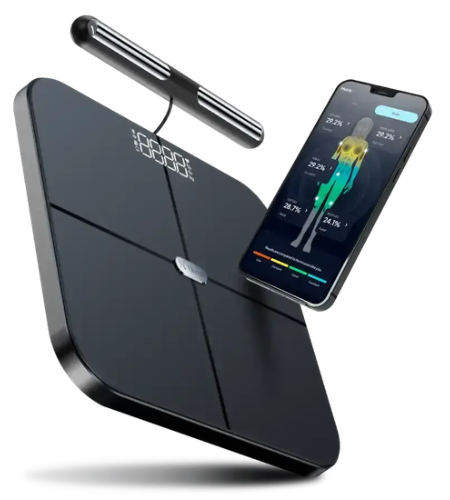
Some commonly measured or estimated metrics include:
- Body fat percentage: The estimated proportion of total body weight made up of fat.
- Muscle mass: An estimate of the amount of muscle in the body.
- Body water: The estimated amount of water within body tissues.
- Visceral fat: An estimate associated with fat stored around internal organs.
- Lean body mass: Body weight excluding fat mass.
- Metabolic indicators: Additional estimates that may help users understand certain aspects of their fitness.
These measurements can provide useful context, but they should not replace professional medical assessments.
How Do Smart Body Composition Scales Work?
Many smart scales use a method called bioelectrical impedance analysis (BIA). This technology sends a very small electrical current through the body and measures how easily it travels through different tissues.
Muscle and other hydrated tissues generally conduct electricity differently from fat tissue because of their water content. The device uses electrical measurements alongside information such as height, age, and other user details to estimate body composition.
Advanced models may use additional sensors and multiple measurement frequencies to collect more information.
However, BIA readings are estimates rather than direct measurements of body fat or muscle tissue. Hydration, recent exercise, meals, and measurement conditions can influence results.
For more meaningful comparisons, consistency is essential.
Key Features of the Hume Pod
The Hume Pod combines several features intended to make home body composition tracking more informative.
1. Multiple Body Measurements
The device is designed to provide information about body fat, muscle mass, water composition, and other body metrics. This gives users additional context when reviewing their fitness progress.
2. Segmental Measurements
Unlike basic foot-only smart scales, the Hume Pod includes hand sensors. Its design allows measurements across different body segments, including the arms, legs, and torso.
3. Smartphone App Integration
The Hume Health app displays measurement results and stores information for ongoing tracking. Users can review previous readings instead of relying on individual measurements.
4. Connected Health Information
Hume also describes integrations with supported health platforms, allowing users to bring selected activity and wellness information into a connected experience.
5. Multiple User Support
The company’s product information states that multiple people can use the device through separate Hume accounts, making it suitable for households where individuals want to track their own measurements.
These features make the Hume Pod an option worth exploring for people interested in more detailed home fitness tracking. Hume Health+2
How to Get More Consistent Measurements
Even an advanced smart scale cannot provide useful comparisons if measurement conditions change significantly every time.
Follow these practical tips:
- Measure at the same time: Morning measurements can help reduce variations caused by meals and daily activities.
- Stay hydrated consistently: Changes in hydration can influence BIA estimates.
- Use a hard, flat surface: Avoid placing the device on carpets or uneven flooring.
- Follow setup instructions: Use the sensors and handles as directed by the manufacturer.
- Avoid measuring immediately after exercise: Physical activity can temporarily affect fluid distribution.
- Focus on long-term trends: Compare measurements across several weeks rather than reacting to one reading.
Hume’s setup guidance also recommends barefoot measurements, a stable standing position, and holding the handles correctly during a scan. Setup, App, Subscriptions and Accuracy
How Hume Health Fits Into Smart Body Composition Tracking
Hume Health focuses on connected health and wellness technology, including devices designed to help people understand their body measurements and daily health patterns.
One of its main products is the Hume Pod, an at-home body composition analyzer.
According to its official product information, the Hume Pod uses multiple-frequency sensors and a handle-based measurement system to collect information from different body segments. Its accompanying Hume Health app displays measurements and helps users monitor changes over time.
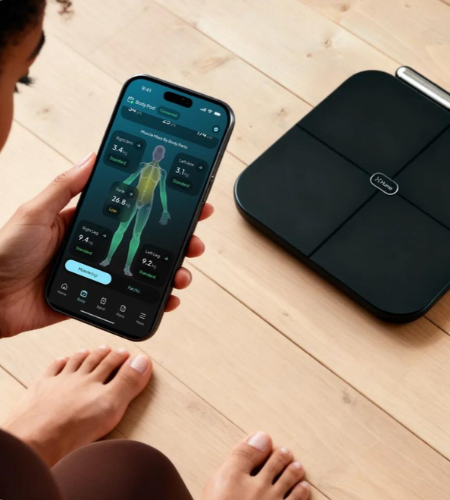
This approach may appeal to people who want more detailed information than a conventional weight scale provides.
Pros and Cons of Smart Body Composition Scales
Before choosing a smart body composition scale, consider both its advantages and limitations.
Pros
- Provides more information than weight alone.
- Makes it easier to review measurement history.
- Can support consistent fitness progress tracking.
- Smartphone integration offers convenient access to results.
- Advanced models may provide segmental body measurements.
Cons
- Body composition readings are estimates, not laboratory measurements.
- Hydration and daily routines can affect results.
- Some advanced app features may require a paid subscription.
- More measurements do not automatically mean better health decisions.
Understanding these limitations helps users maintain realistic expectations.
Pricing, Shipping, and App Considerations
The cost of a smart body composition scale depends on its technology, measurement capabilities, and connected features. Before purchasing, compare the latest product price, included accessories, warranty, and return conditions.
Hume Health provides product and purchasing information through its official website. Its Hume Pod information describes worldwide shipping and a 45-day return policy, subject to the company’s stated conditions.
The basic Hume Health app can be used without a premium subscription for essential measurements. Certain additional features, including personalized insights and expanded reports, are reserved for Hume Plus subscribers. Check the latest terms before purchasing because prices and policies can change. Hume Health+2
Frequently Asked Questions
1. Are smart body composition scales accurate?
They can provide useful estimates, but accuracy varies by device, measurement method, and individual. Results should be treated as tracking information rather than exact laboratory measurements.
2. Can a smart scale measure muscle mass?
Many advanced models estimate muscle mass using bioelectrical impedance and other user information. These readings are estimates rather than direct measurements.
3. How often should you use a body composition scale?
For general progress tracking, measuring once or twice a week under consistent conditions can be useful. Daily measurements are not necessary for everyone.
4. Is a body composition scale better than a regular scale?
It depends on your goals. A regular scale measures weight, while a body composition scale estimates additional metrics such as body fat and muscle mass.
5. Does the Hume Pod require a subscription?
Hume states that essential weighing and body measurement features are available through its free app. Some advanced insights and reports require Hume Plus. Setup, App, Subscriptions and Accuracy+1
Conclusion
Smart body composition scales can make fitness tracking more informative by providing estimates beyond traditional body weight. Measurements such as body fat, muscle mass, and body water can help users understand longer-term changes when interpreted consistently and realistically.
For people interested in connected home health technology, Hume Health offers the Body Pod as an option for monitoring multiple body measurements. Exploring its features, app requirements, and purchasing conditions can help you decide whether it fits your routine. The most useful approach is to combine consistent tracking with sustainable habits rather than focusing on individual numbers.